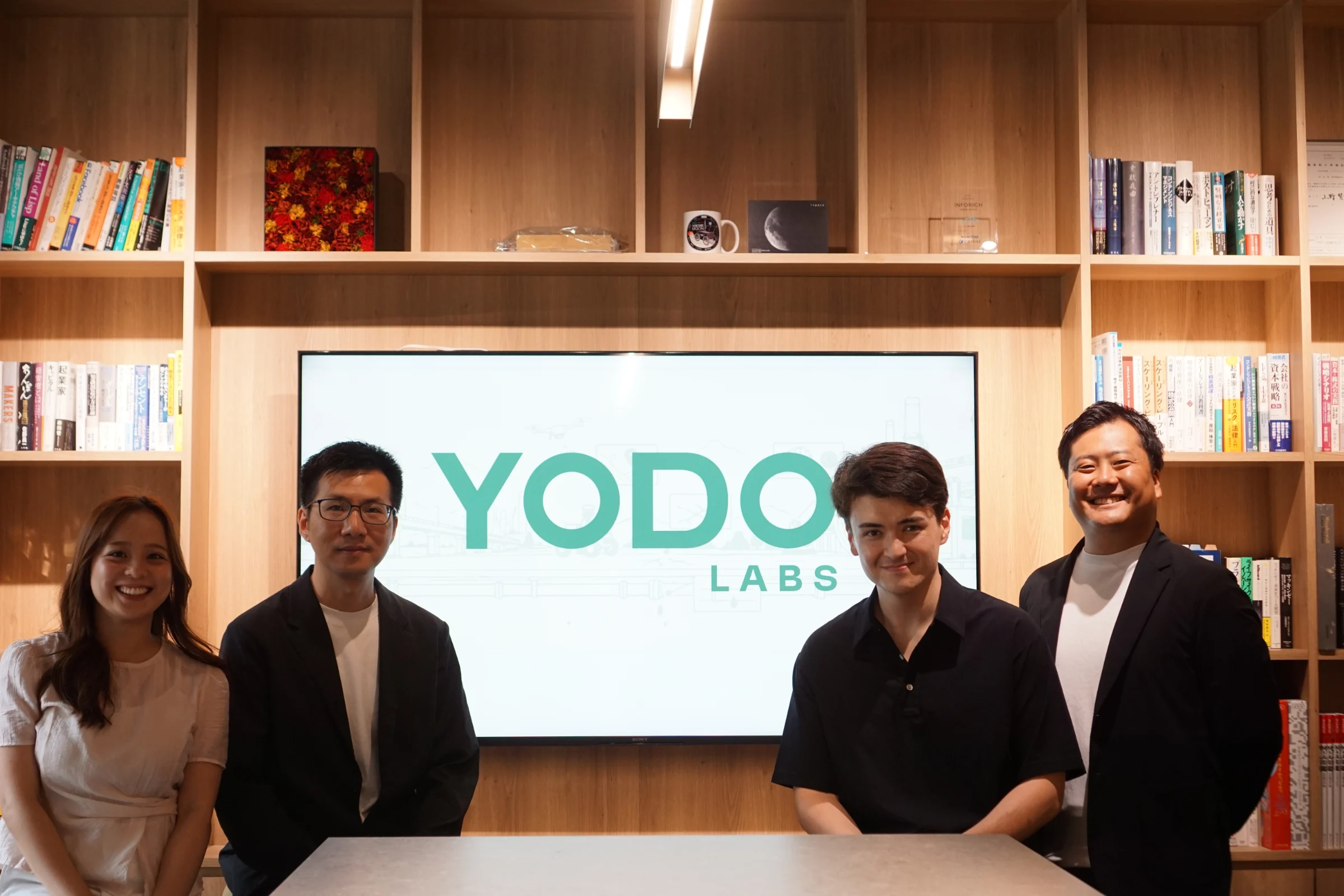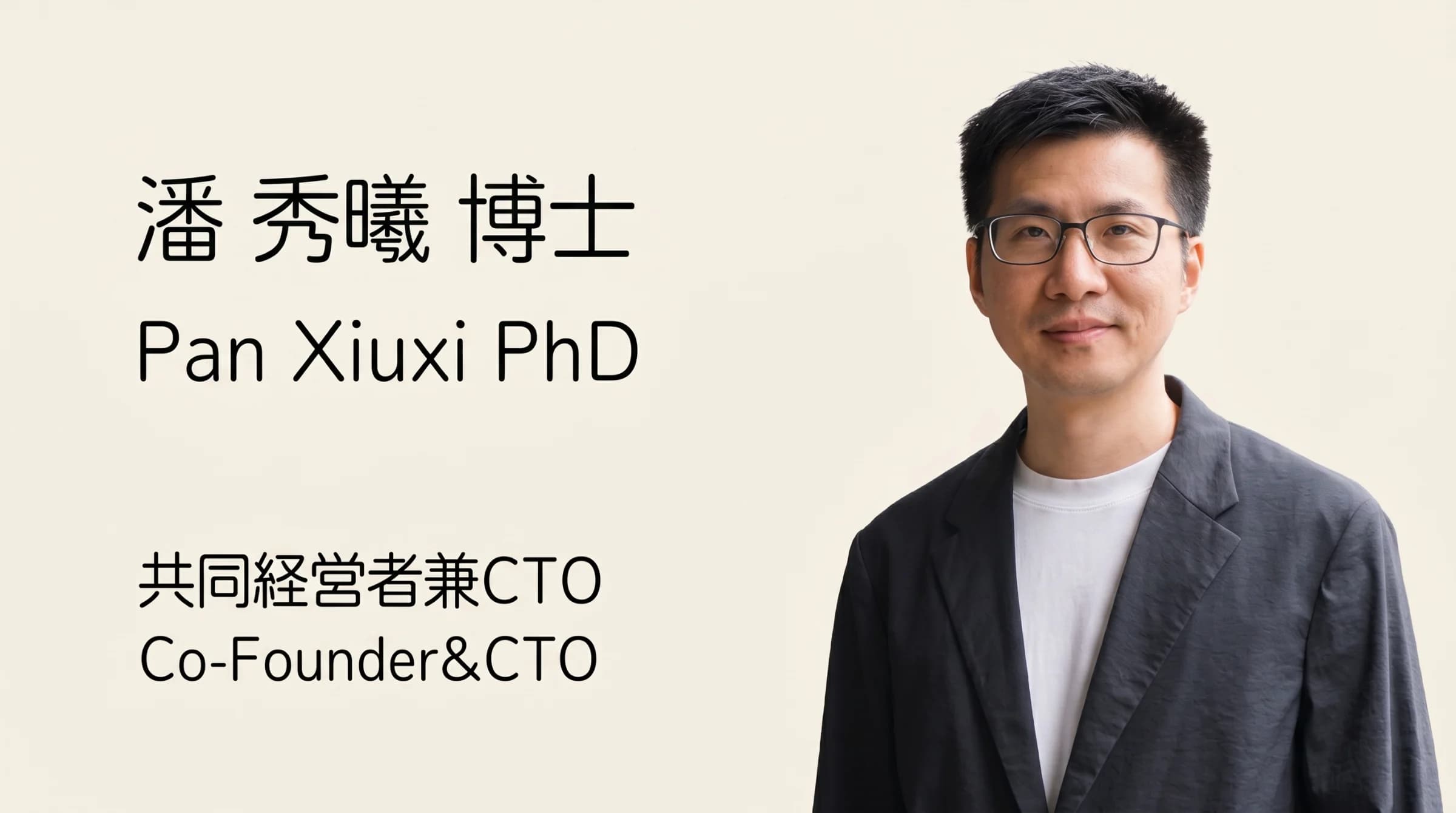
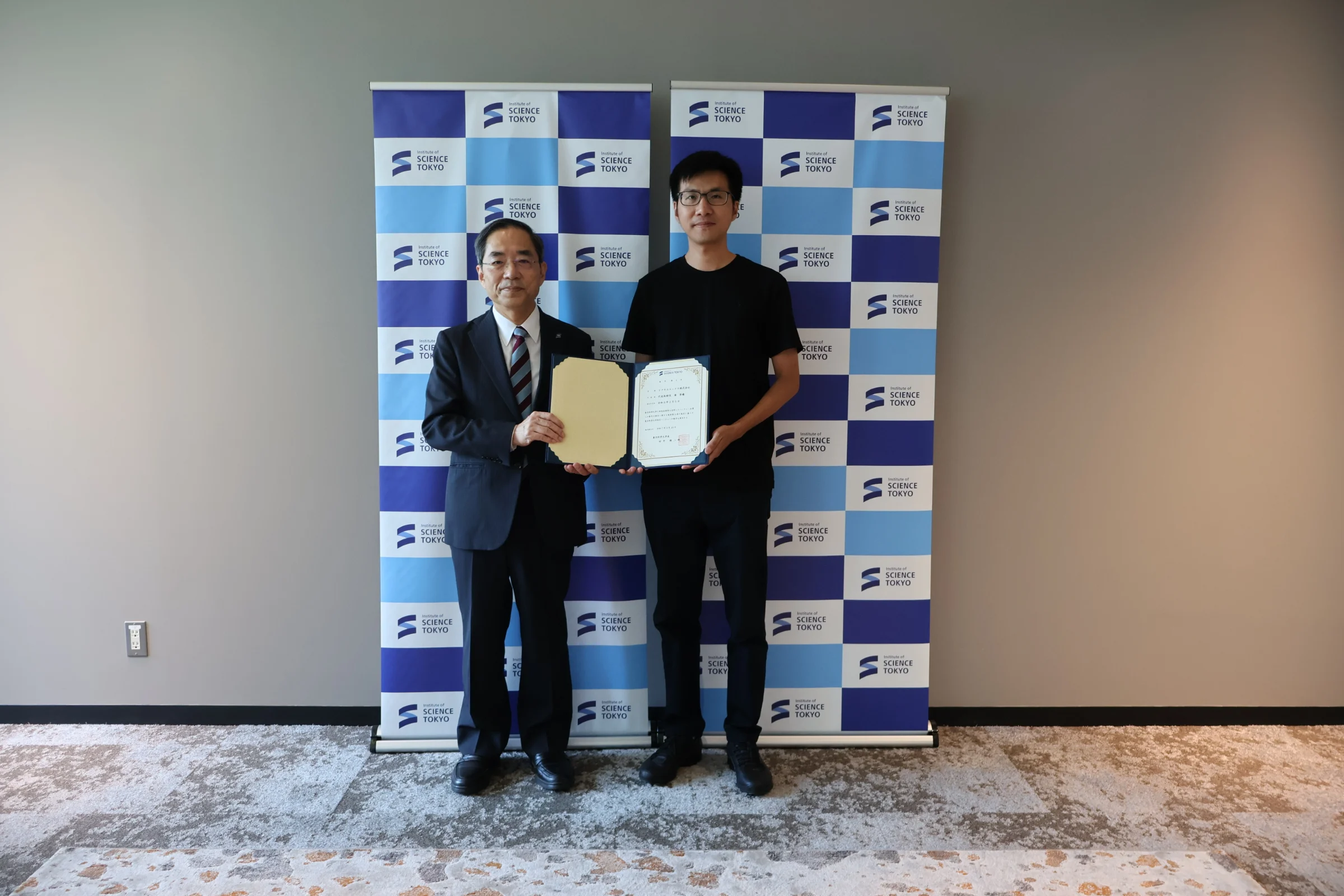
Pan came to Japan in 2017, where he completed his master’s degree at Waseda University and earned his Ph.D. at the Institute of Science Tokyo. Since his student days, he has consistently focused on research in Spatial Intelligence. In 2022, he joined the autonomous driving division at SenseTime, where he applied his research expertise to the development of cutting-edge technologies. In 2024, he founded PixelX, the predecessor of Yodo Labs. Starting with technology development in the autonomous driving industry, he gradually expanded the scope of the business. In March 2026, he co-founded Yodo Labs.
In this interview, we explore the experiences that shaped Pan’s journey as a researcher, what inspired his transition from academic research to entrepreneurship, and his vision for the future he hopes to create through cutting-edge AI technology.
My Philosophy as a Researcher: "A Middling Result, Not a Bad One, Is the Real Failure"
Q. Was there a particular experience that inspired you to become a researcher?
A. There wasn't any single event that got me started. I like hard problems, and research is where hard problems get answers you can test. Honestly, when I started my career I didn't really choose. It was the one thing I was confident I could do well.
Q. How do you approach your research?
A. By doing, and by living with the problem. Good ideas rarely come as a flash of insight. They're the direction you see after taking many small steps, and the more you try, the clearer it gets. When a problem is really hard, I think about it when I wake up, over meals, on walks, until I dream about it. That works remarkably well.
Q. How do you think about failure?
A. A bad result is fine. A lukewarm one is the real failure. A clear failure tells you which way to go: flip it, and you have your direction. A result that's neither good nor bad tells you nothing. So before every experiment, I write down what I expect. When I'm wrong, that surprise is the most useful thing I learn that week.
Starting a Company in Japan: "I Build the Technology, and He Builds the Company"
Q. What inspired you to start a business in Japan?
A. If you want AI to work in the physical world, Japan is the place to build it. Japan has the factories, plants and infrastructure, and fewer and fewer people to do the work. The need for Physical AI shows up here first, and it is real, not a trend. Besides, I've lived in Japan for a long time. I know how things get done here.
Q. What made you decide to co-found Yodo Labs with Sho Osawa?
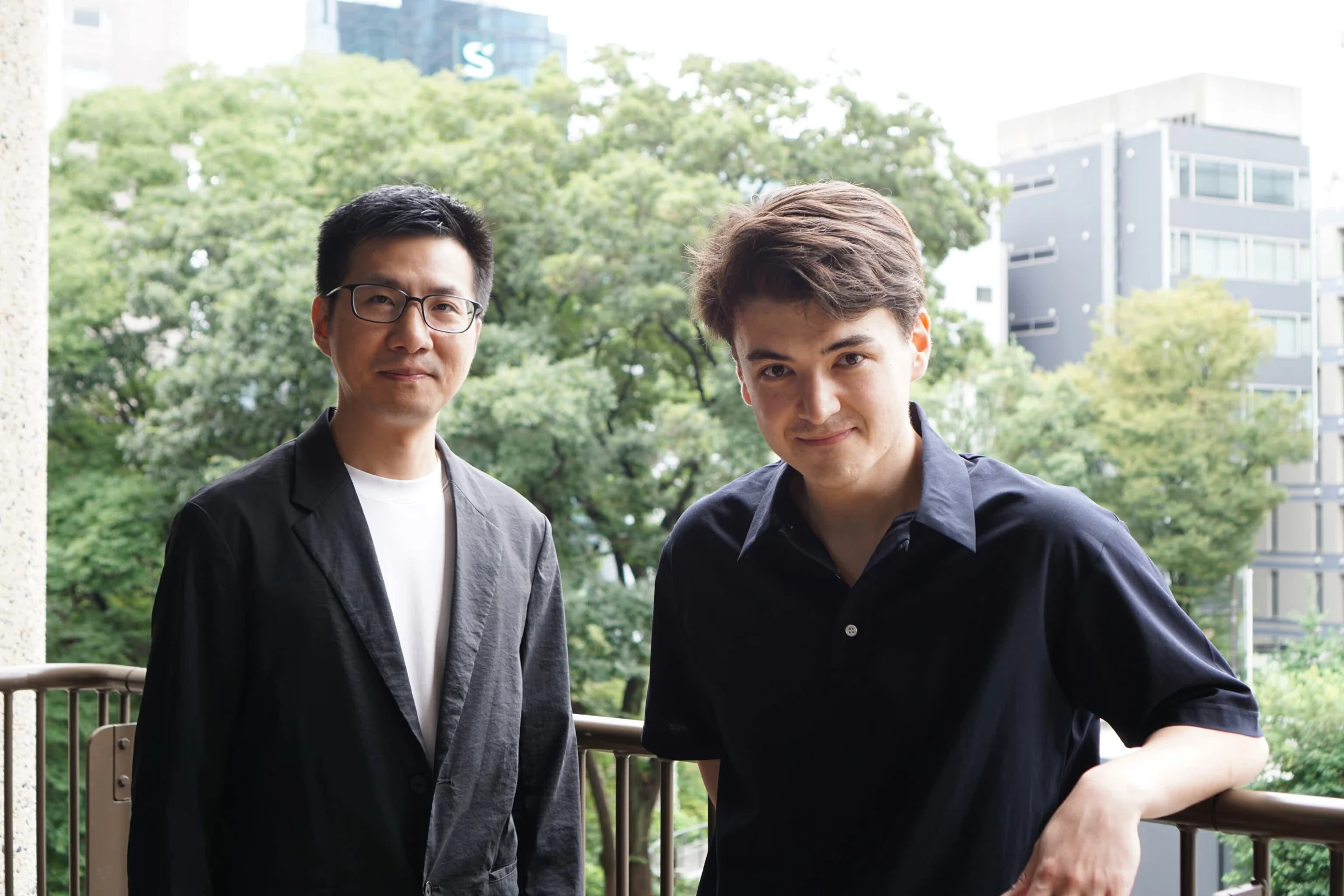
A. We believe the same thing. The next wave of AI will happen in the physical world, and it can start in Japan and go global. Sho has worked across Australia and Asia, in English and Japanese. For him, global was never an afterthought. Same goal, different strengths: I build the technology, he builds the company.
Passing Japan's Expert Skills On to the Next Generation
Q. What potential and opportunities do you see in Japanese industries and society?
A. If it works on a Japanese site, it works anywhere. Japanese sites have the highest standards I've seen: precision, safety, almost no tolerance for mistakes. That makes Japan the hardest market, and the best place to build. Those sites also hold some of the deepest know-how in the world, mostly in the hands of skilled people who are starting to retire. AI that works in the physical world has to learn from people like them. Capturing that know-how before it's gone is the biggest opportunity I see.
Q. What has been one of the most surprising or memorable discoveries you've made while building the business?
A. One thing done extremely well opens more doors than I expected. We never have enough people or money. Early on, I thought that would hold us back. It turned out that if we pick one point and do it as well as it can be done, trust, partners and funding follow. Then we use them to take on the next point. Each round, we start a little higher.
Q. What keeps you going when things get hard?
A. Knowing it's part of the process. Everything new I've started went the same way. Excitement first. Then you see how hard it really is. Then a stretch where nothing seems to work. We've had ours too. Most people quit right there, because the beginning was the fun part. When I'm in that stretch, I remind myself it's normal, and that it ends for the people who keep going. Then I get back to the boring details.
Meeting the Team
Q. What do you admire most about your team members, and what qualities do you value in the people you work with?
A. Everyone here is better than me at something. We come from different countries and very different careers. I learn something from each of them every week. What I value most is people who say what they really think, early, even when it's uncomfortable.
Q. What kind of future do you hope to create through Yodo Labs?
A. Making truly important, forward-looking technology. Technology moves fast. What looks impossible today becomes routine in a few years. So I don't want to chase what's popular now. I want Yodo Labs to work on problems that will still matter in ten years, and to be the first to solve them.
Final Thoughts
Q. What kind of people would you like to see join Yodo Labs?
A. People who enjoy uncertainty. In a startup, uncertainty never goes away. Almost every week brings a problem nobody has solved before. If that excites you, you'll fit in.